The Archives.
Every deep dive on the blog, newest first.
Featured Series
The Archives
Stop Saying Energy When You Mean Electricity
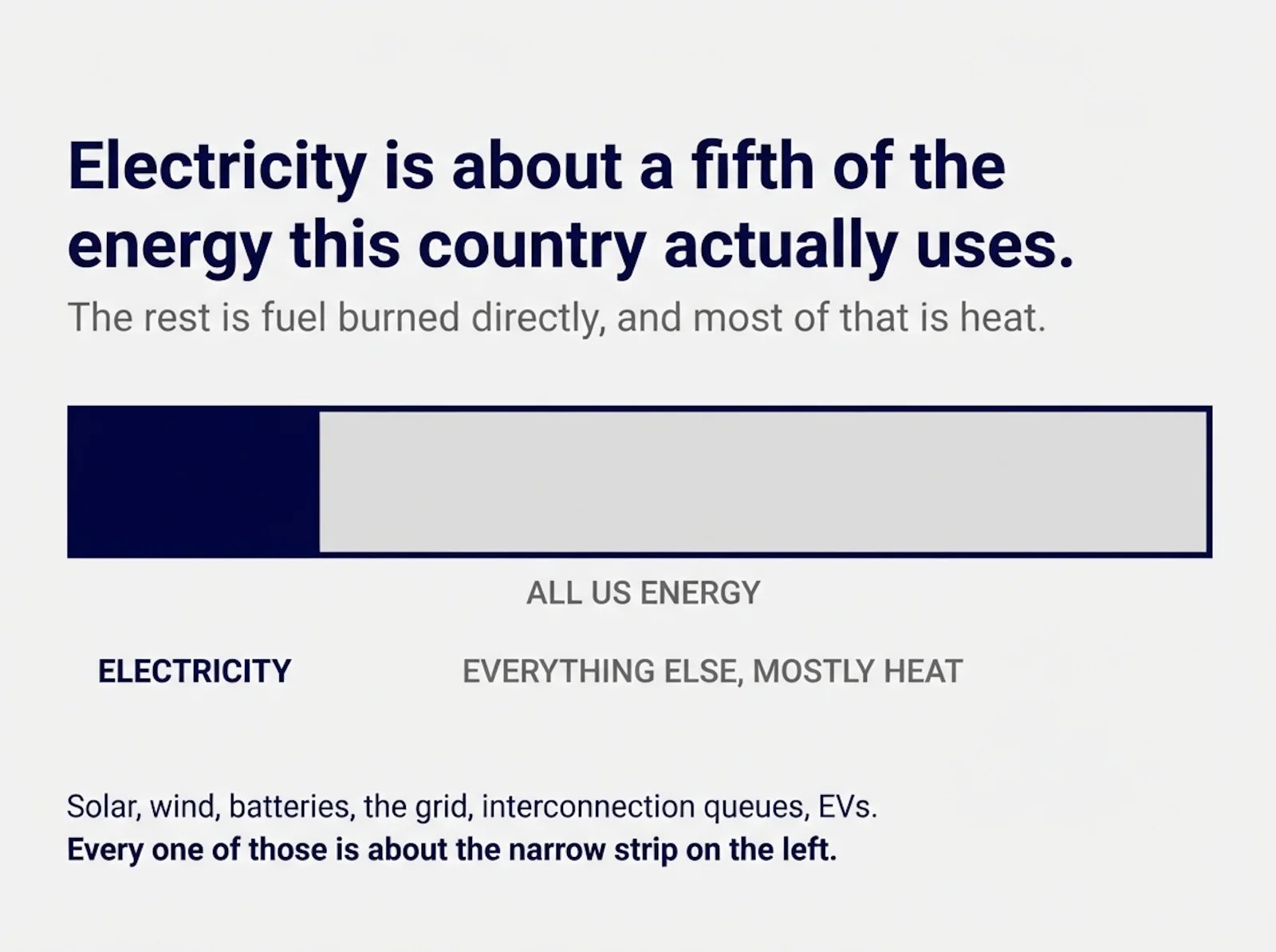
Electricity is roughly a fifth of US final energy consumption. We have organized an entire climate conversation around the smaller share, and the part we leave out is mostly heat.
The Dirtiest Hours of the Year
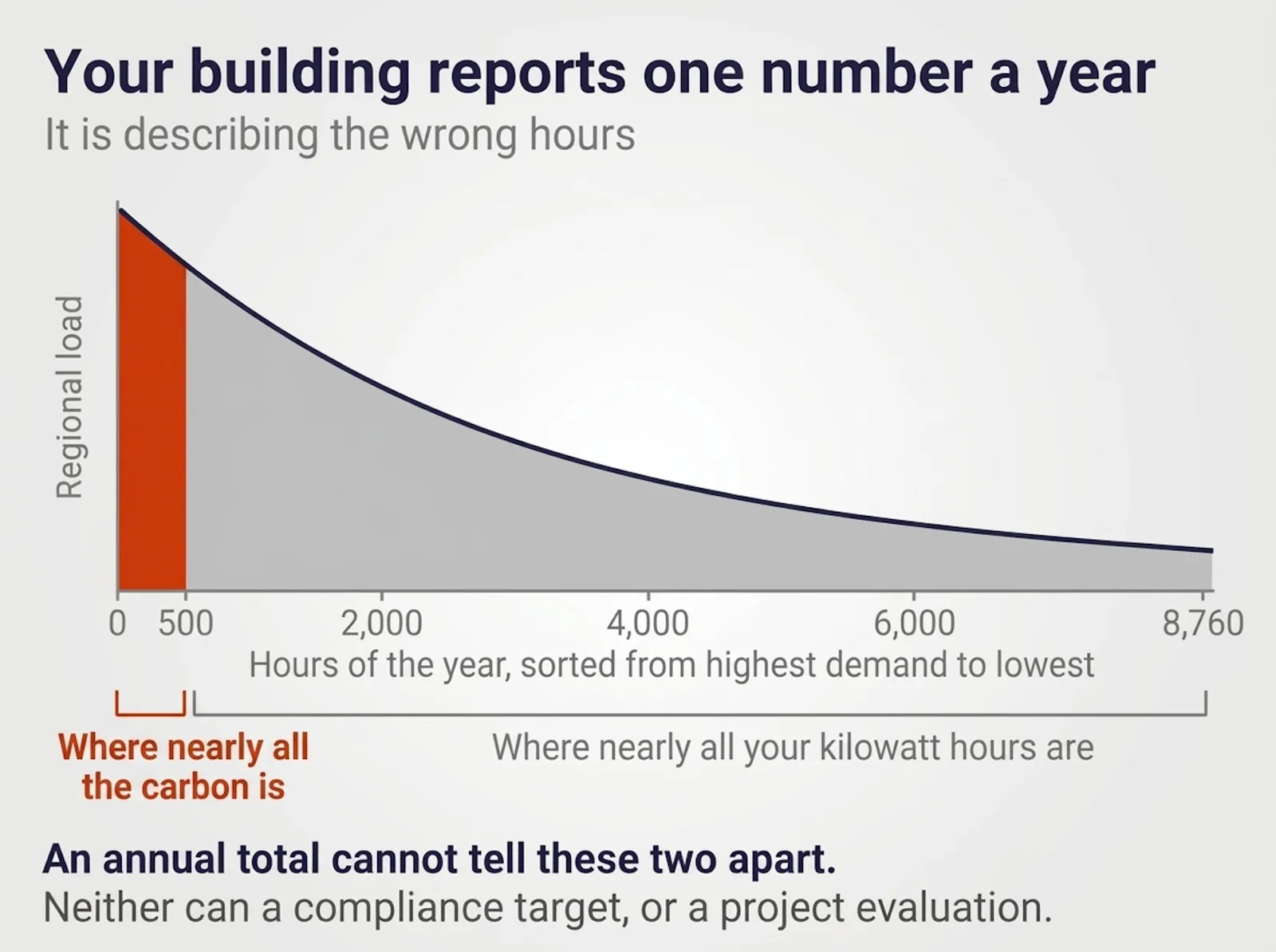
Nearly all the fossil generation in the Northwest sits in a handful of winter hours. Which means nearly all the emissions do too, and almost none of our measurement tools can see it.
Efficiency Is Not the Same as Emissions
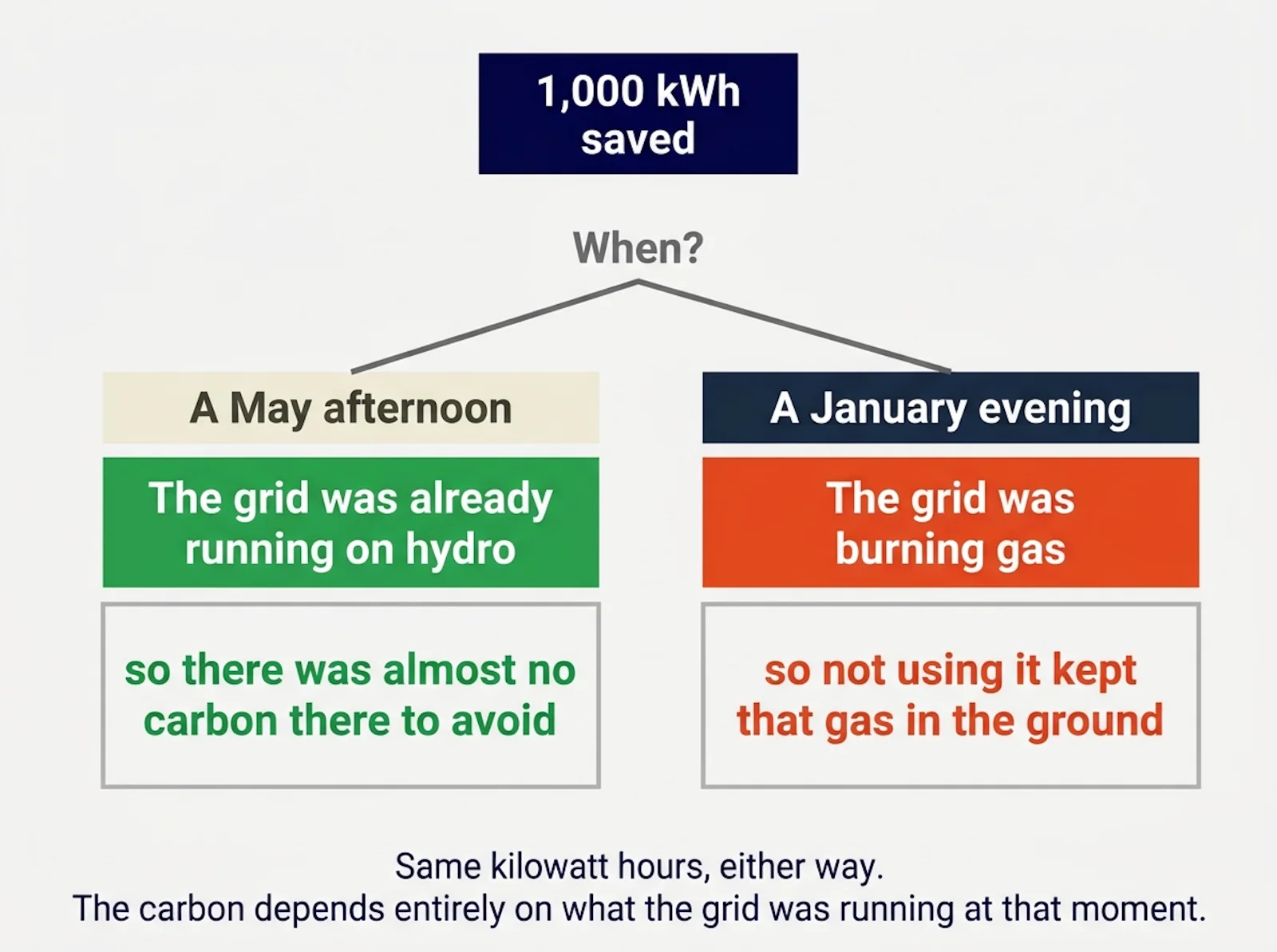
Cut 10% of your energy, cut 10% of your emissions. In a hydro-powered state that is wrong by a wide margin, and the reason has everything to do with which hours you cut.
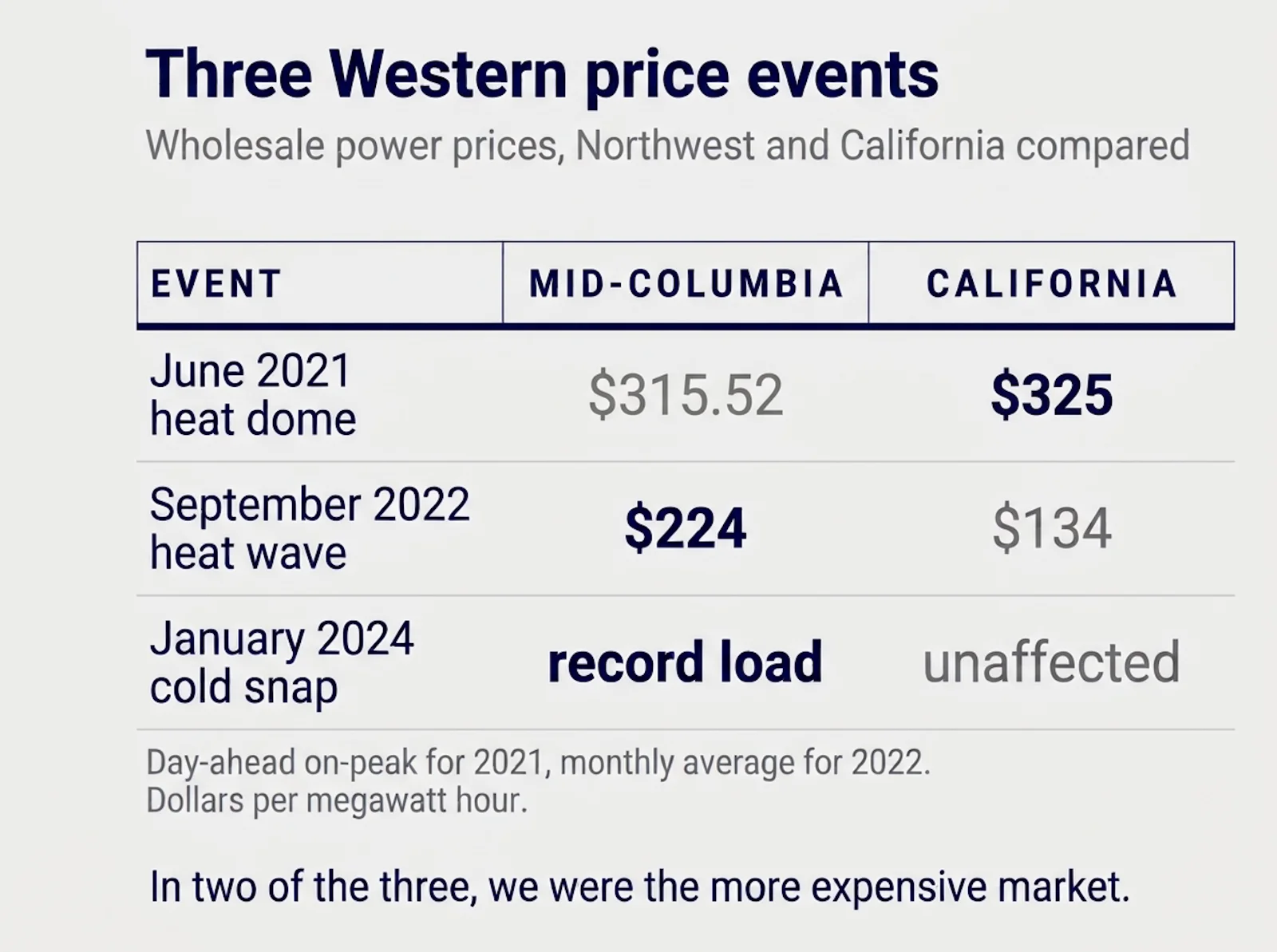
Your Power Bill Is Set by Weather You Never Feel
A five day cold snap in January 2024 cost Northwest utilities somewhere between 65 and 100 million dollars. Most of the people who paid for it never knew. Here are the two different ways weather you never experienced ends up on your power bill.
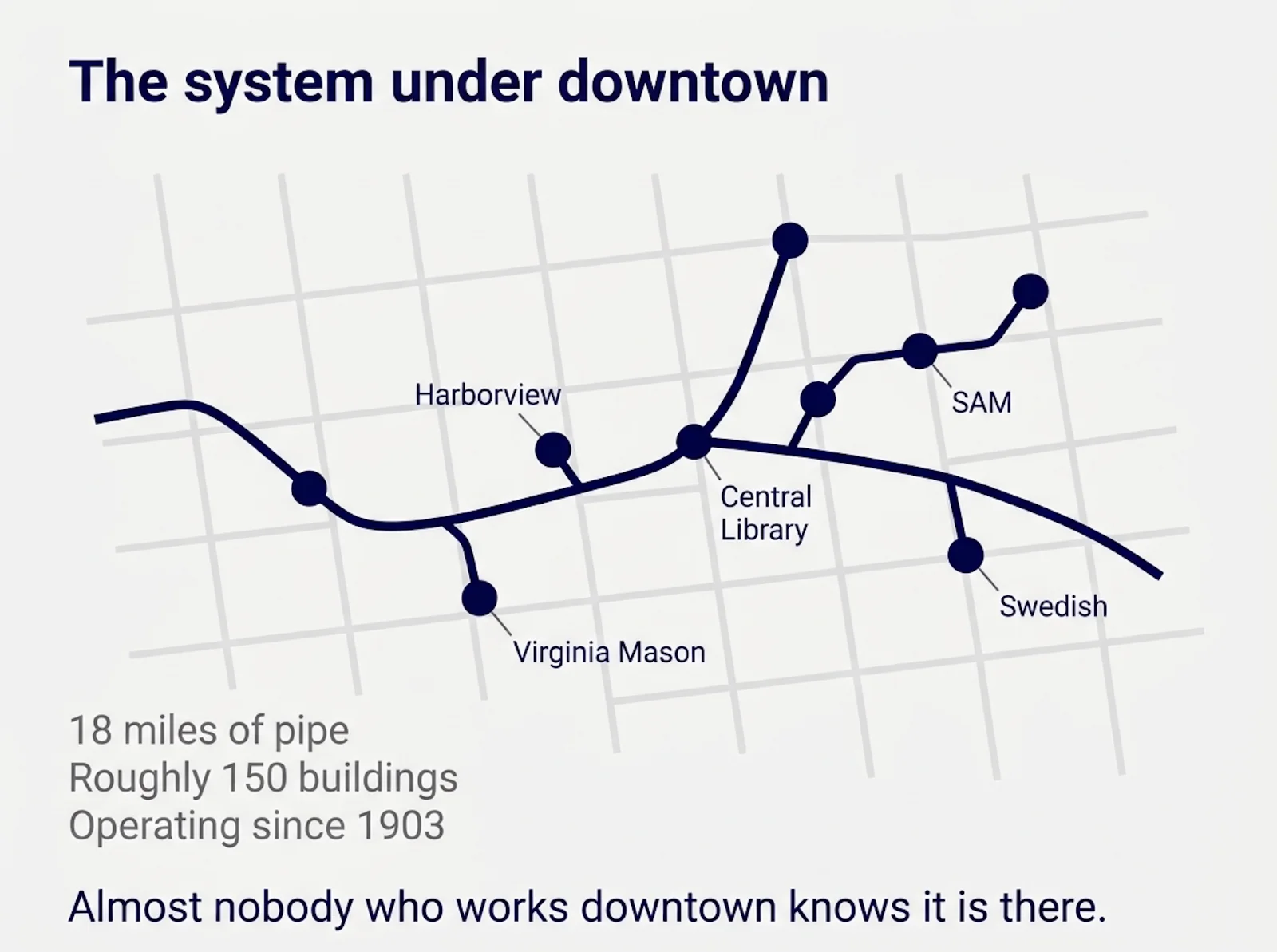
Downtown Seattle Runs on Steam, and Most People Have No Idea
There's a hundred-year-old steam network under downtown Seattle serving about 150 buildings, including three hospitals, and it's about to electrify. What that does to its emissions is more complicated than it sounds, and the complication is the whole point.
Final Exam Optional: The Whole Course in One Place
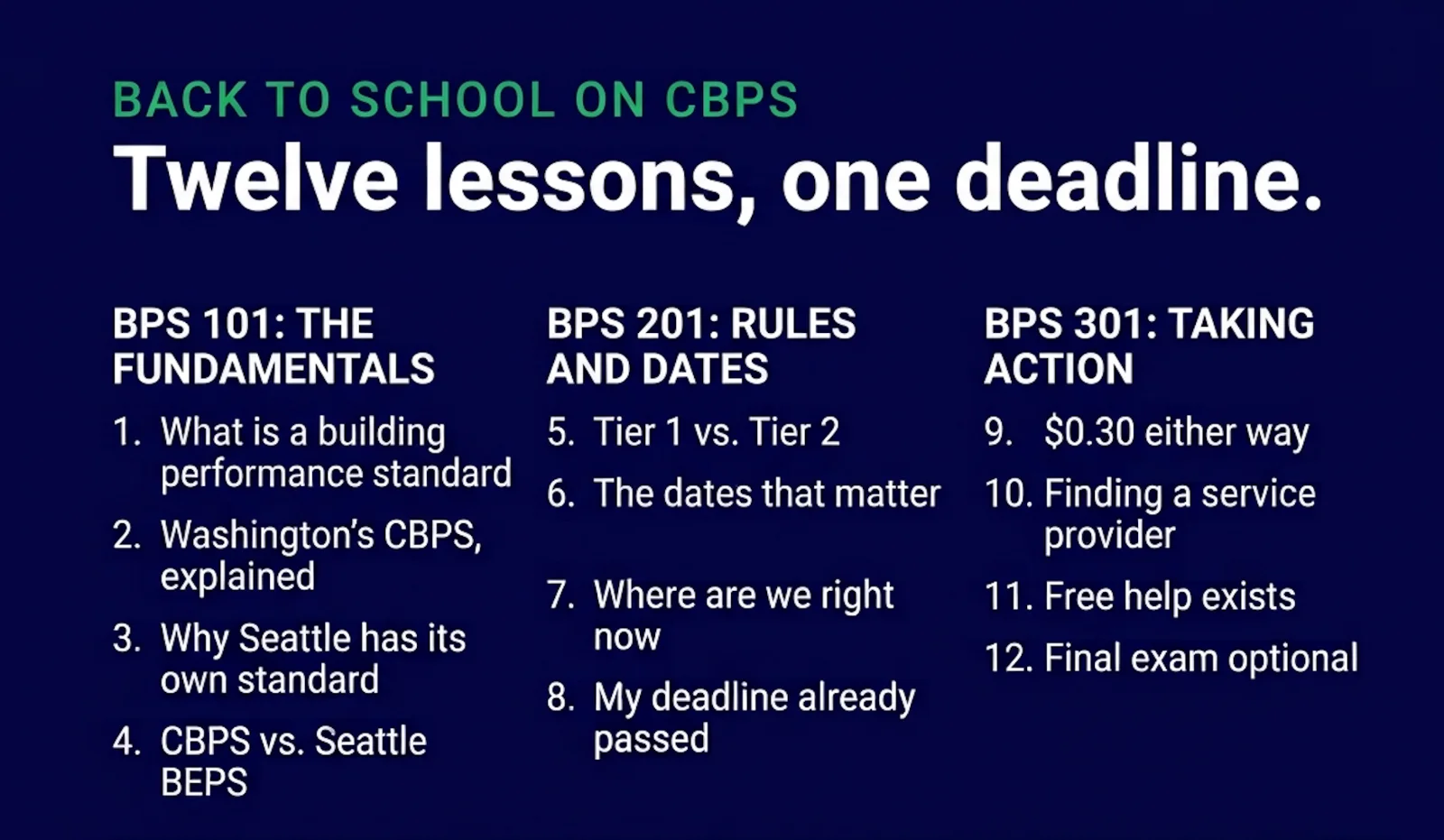
Twelve posts on Washington's Clean Buildings Performance Standard, in one place. What the law is, what it requires, when it's due, what it pays, and who will help you for free.
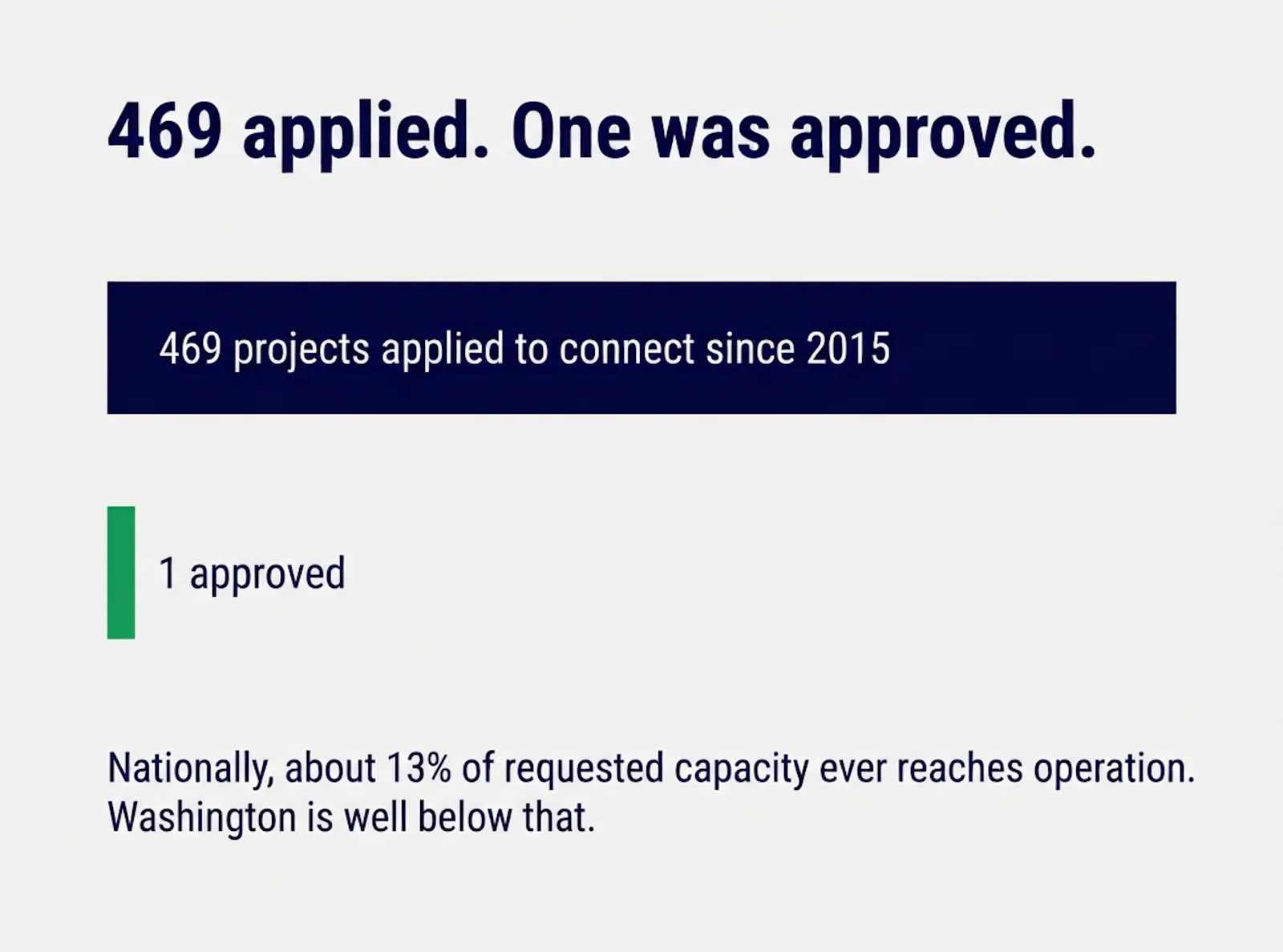
Why 469 Projects Became One: How an Interconnection Queue Actually Works
Washington approved one renewable project out of 469 applications since 2015. Nationally, only 13% of requested capacity ever reaches operation, which means half this story is a design problem the whole country shares and half of it is ours. Here is how the mechanism actually works.
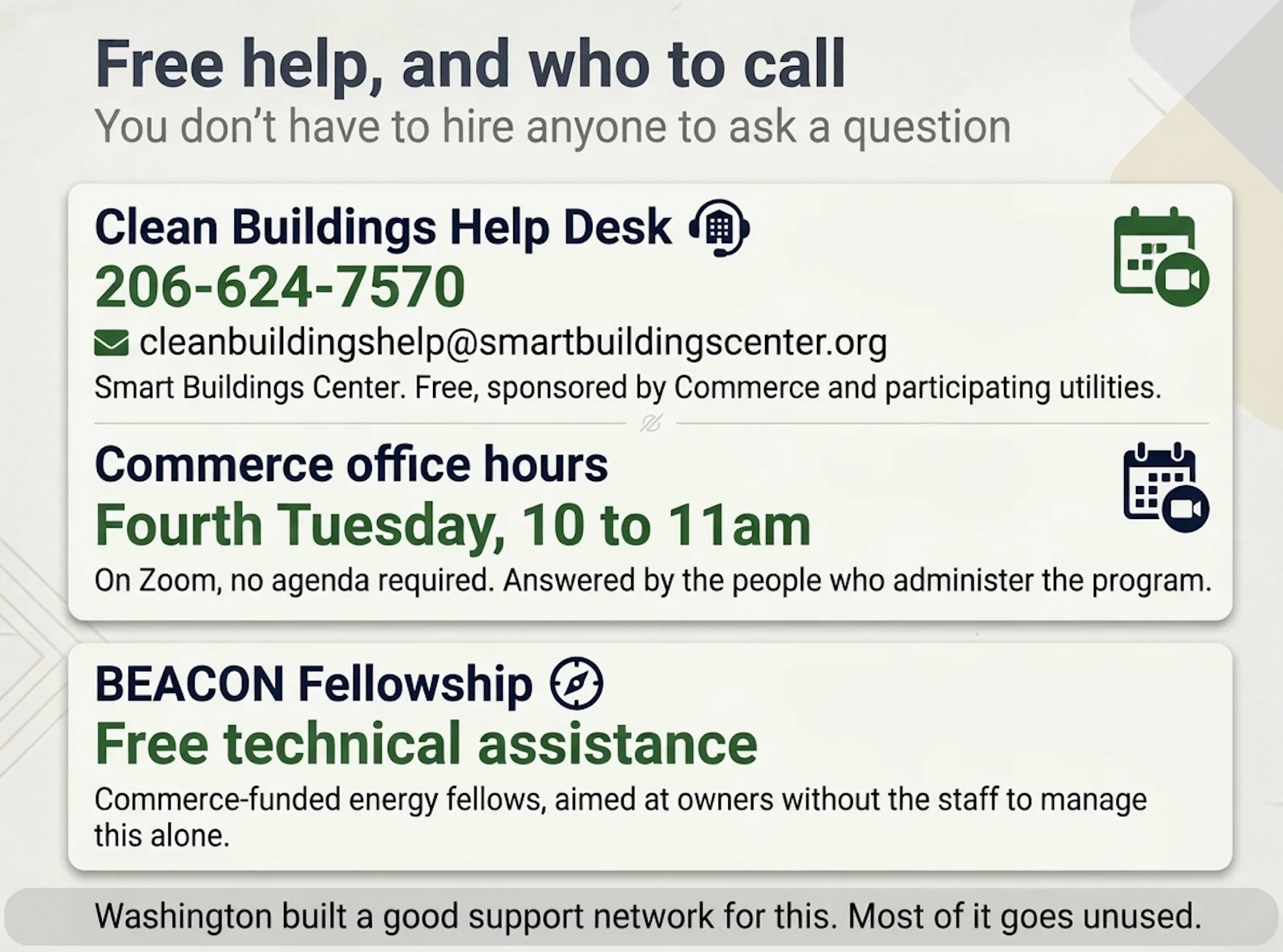
Free Help Exists: Where to Get Your Questions Answered
There's a phone number you can call, right now, and a person will answer your Clean Buildings question for free. Washington built a genuinely good support network for this program, and most of it goes unused because owners don't know it's there.
"I Don't Want to Figure This Out Myself": How to Find a Reputable Service Provider
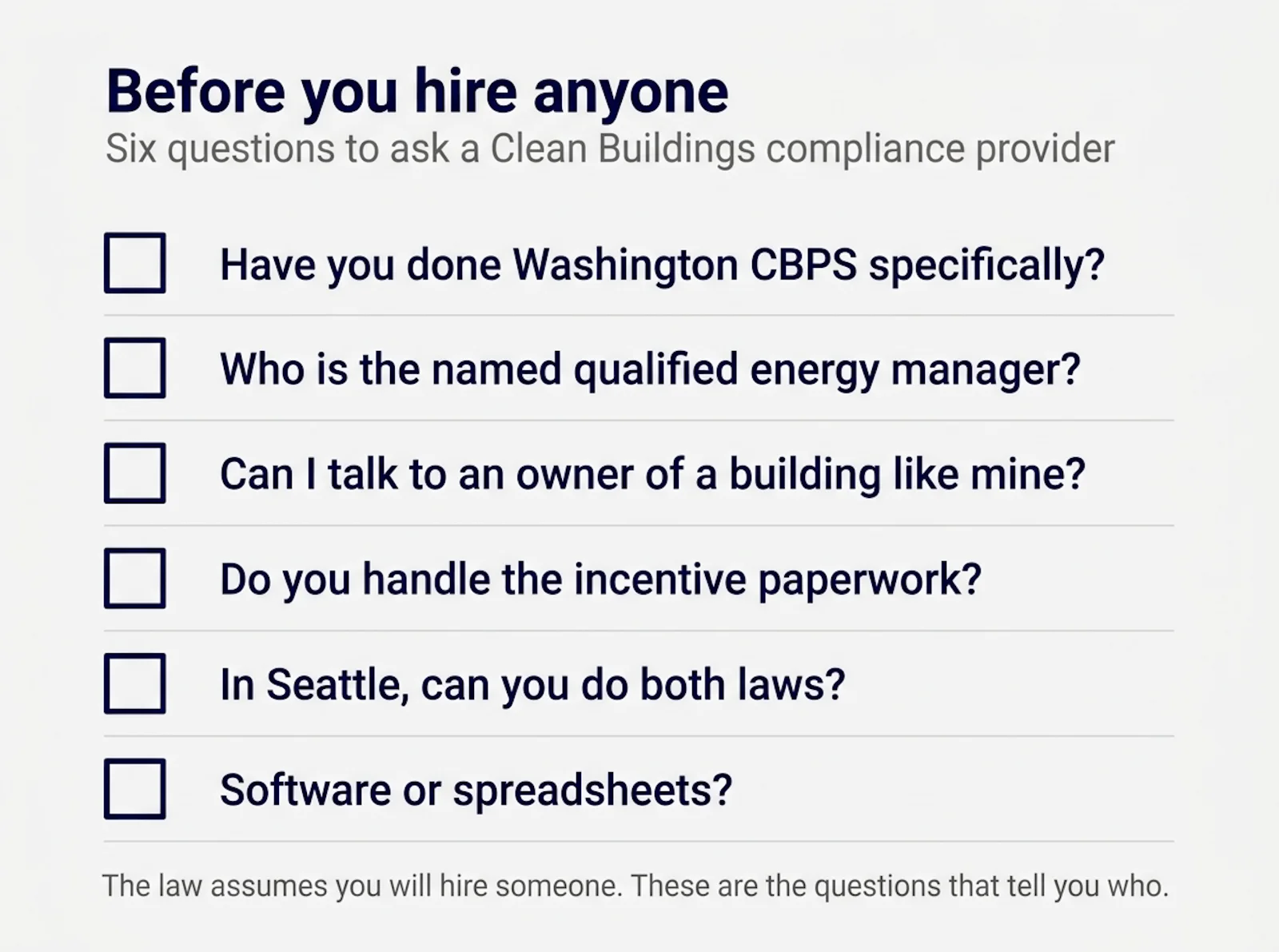
Tier 2 compliance requires a credentialed qualified energy manager, which means the law assumes most owners will hire someone. Here are the six questions to ask before you do, and the four red flags worth walking away from.
The Northwest Grid's Real Test Is a Cold, Dry Week
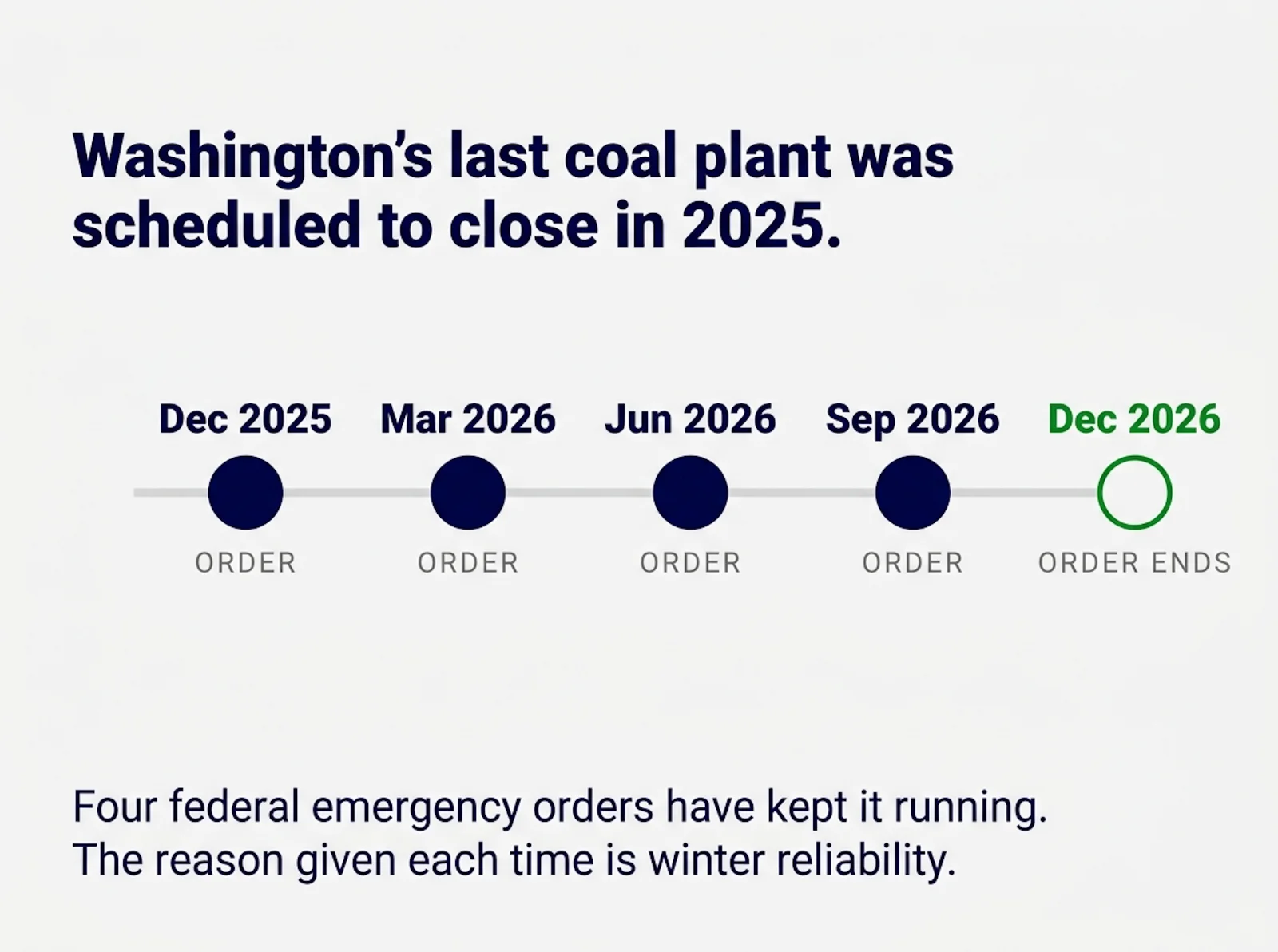
Planners say the Northwest's biggest grid risk is a multi-day cold snap in a low-hydro year. Here is what the numbers say, what the federal government has already done about it, and what buildings can do.
$0.30 Either Way: Washington's Tier 2 Early Adopter Incentive, Explained
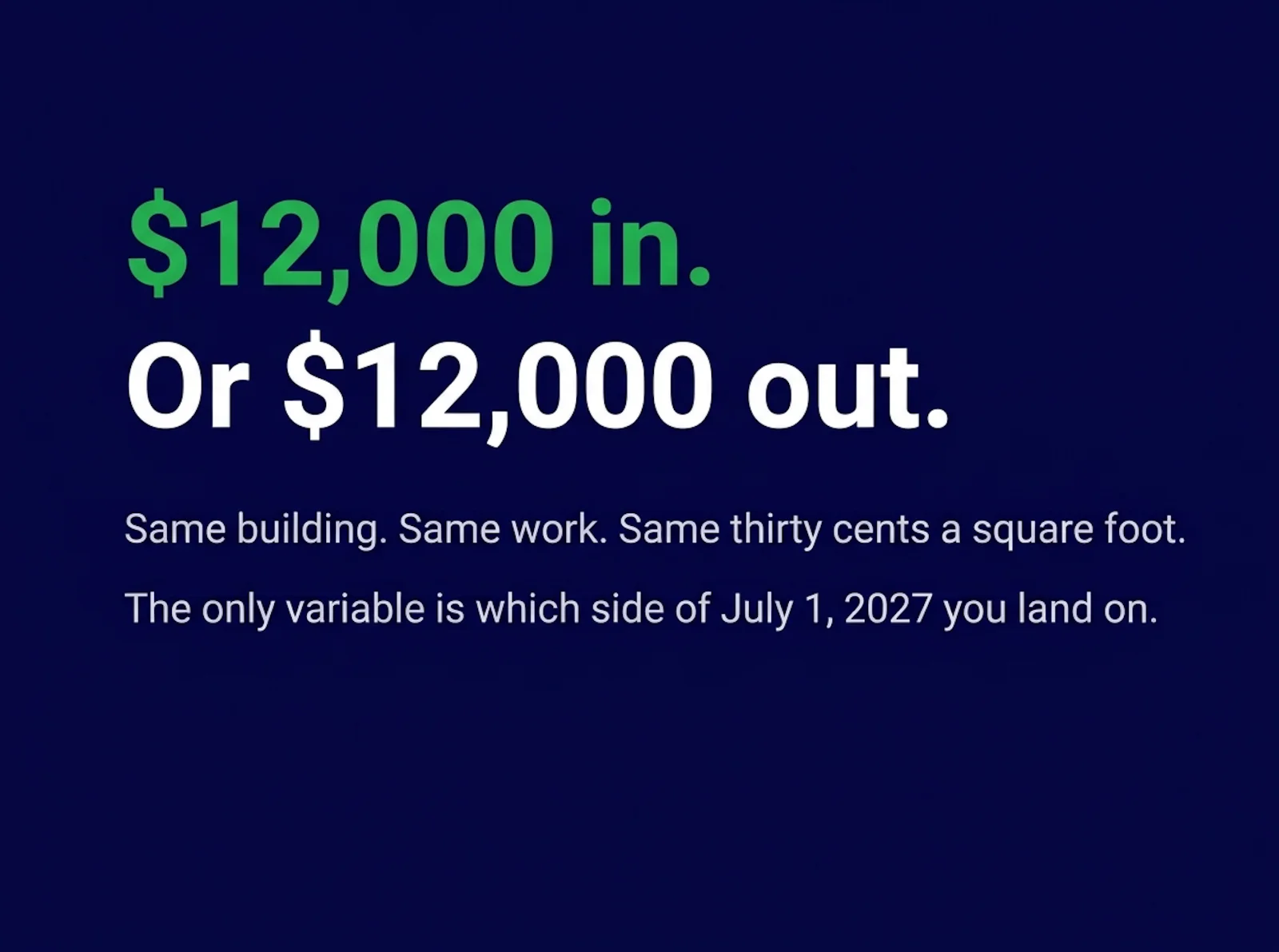
The maximum penalty for missing your Tier 2 deadline is thirty cents per square foot. The incentive for complying is also thirty cents per square foot. Same building, same work, same number, and the only variable is timing.
My Deadline Already Passed. Now What?
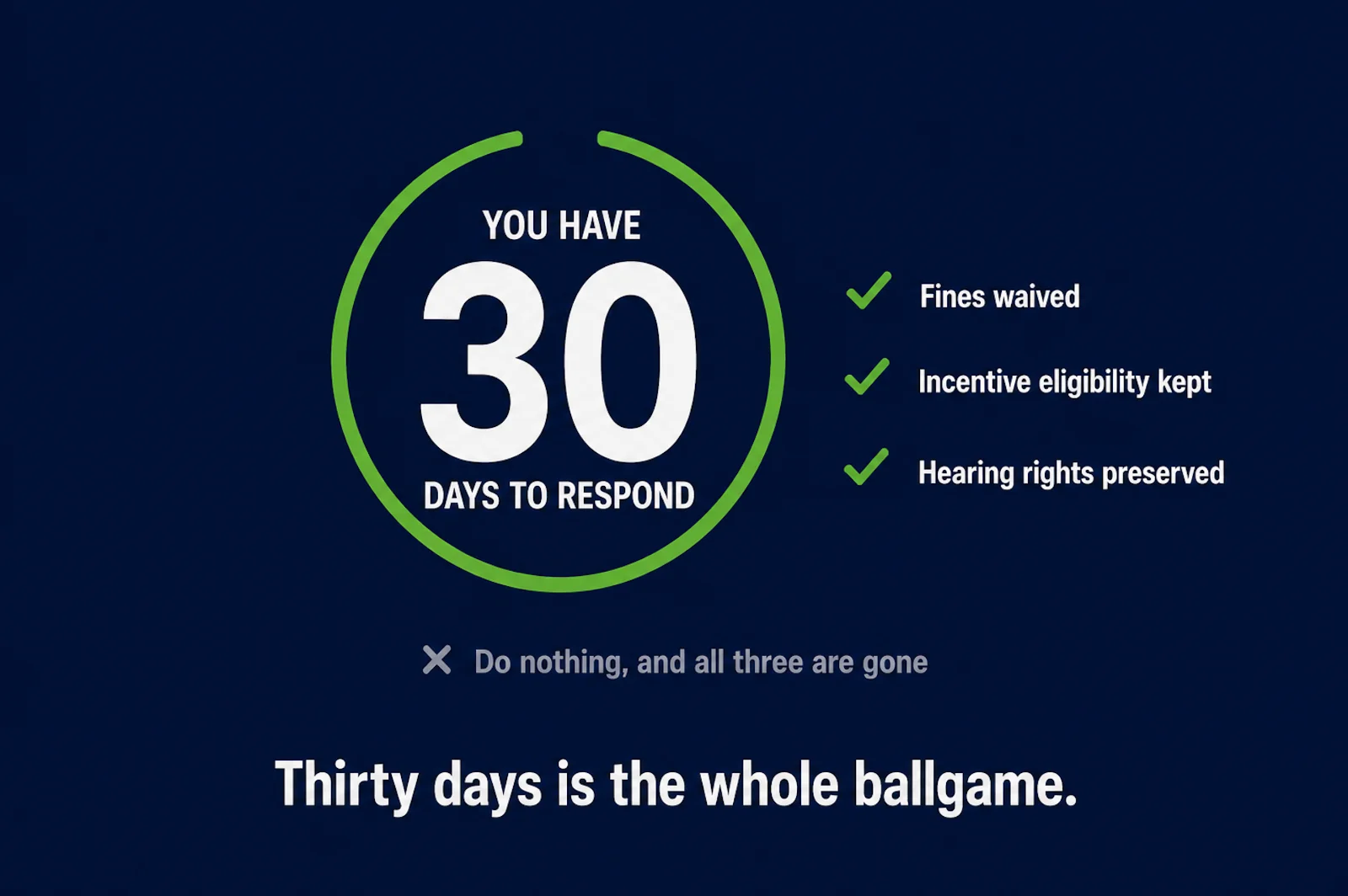
Missing your Clean Buildings deadline doesn't trigger a penalty. What happens next depends almost entirely on what you do in the 30 days after the notice arrives, and the standard is more forgiving than most owners expect.
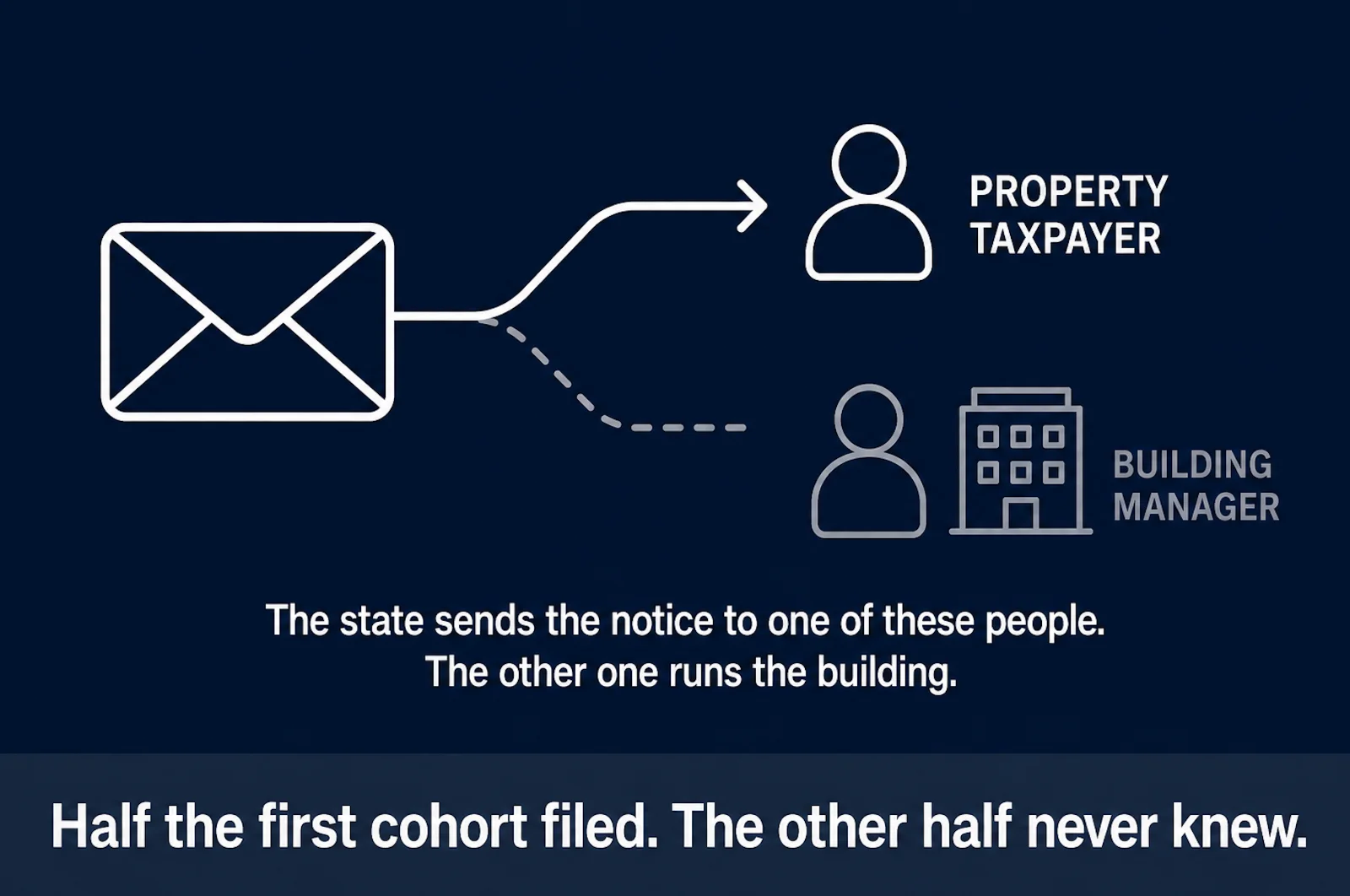
Where Are We Right Now in the Compliance Process?
The first real Clean Buildings deadline came and went in June, and compliance landed at a little over half. The reason isn't what most people assume, and the data says the buildings are in better shape than their owners think.
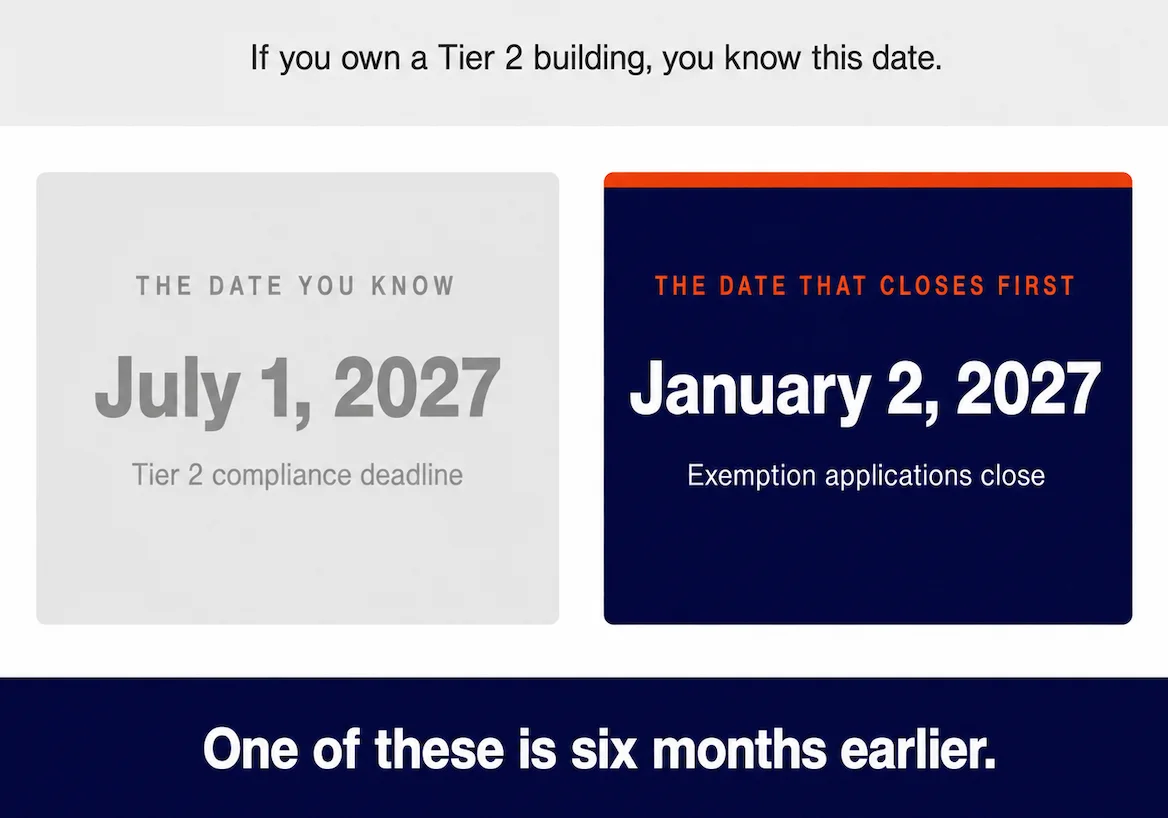
The Dates That Matter (Mark Your Calendar)
Every date in Washington's Clean Buildings Performance Standard and Seattle's BEPS, in one place. Including the three Tier 2 dates that come before the July 2027 deadline, and the one that closes first.
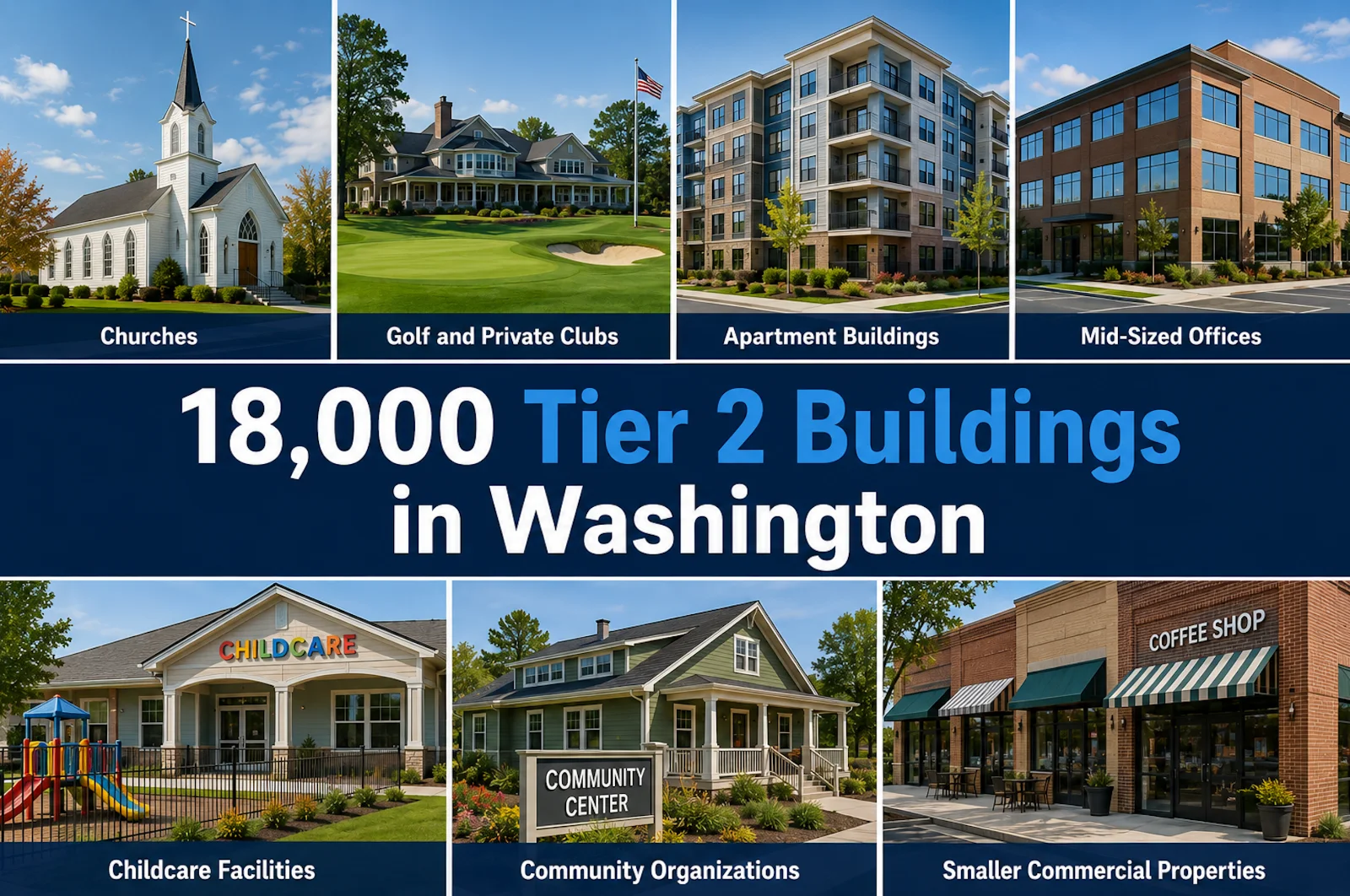
Tier 1 vs. Tier 2: The Big Buildings Came First. Now Comes the Long Tail.
Washington's Clean Buildings Performance Standard covers roughly 28,000 buildings. About 18,000 of them are Tier 2, and most don't have a facilities team. Here's what separates the two tiers, what Tier 2 owners actually have to do, and why July 2027 is closer than it looks.
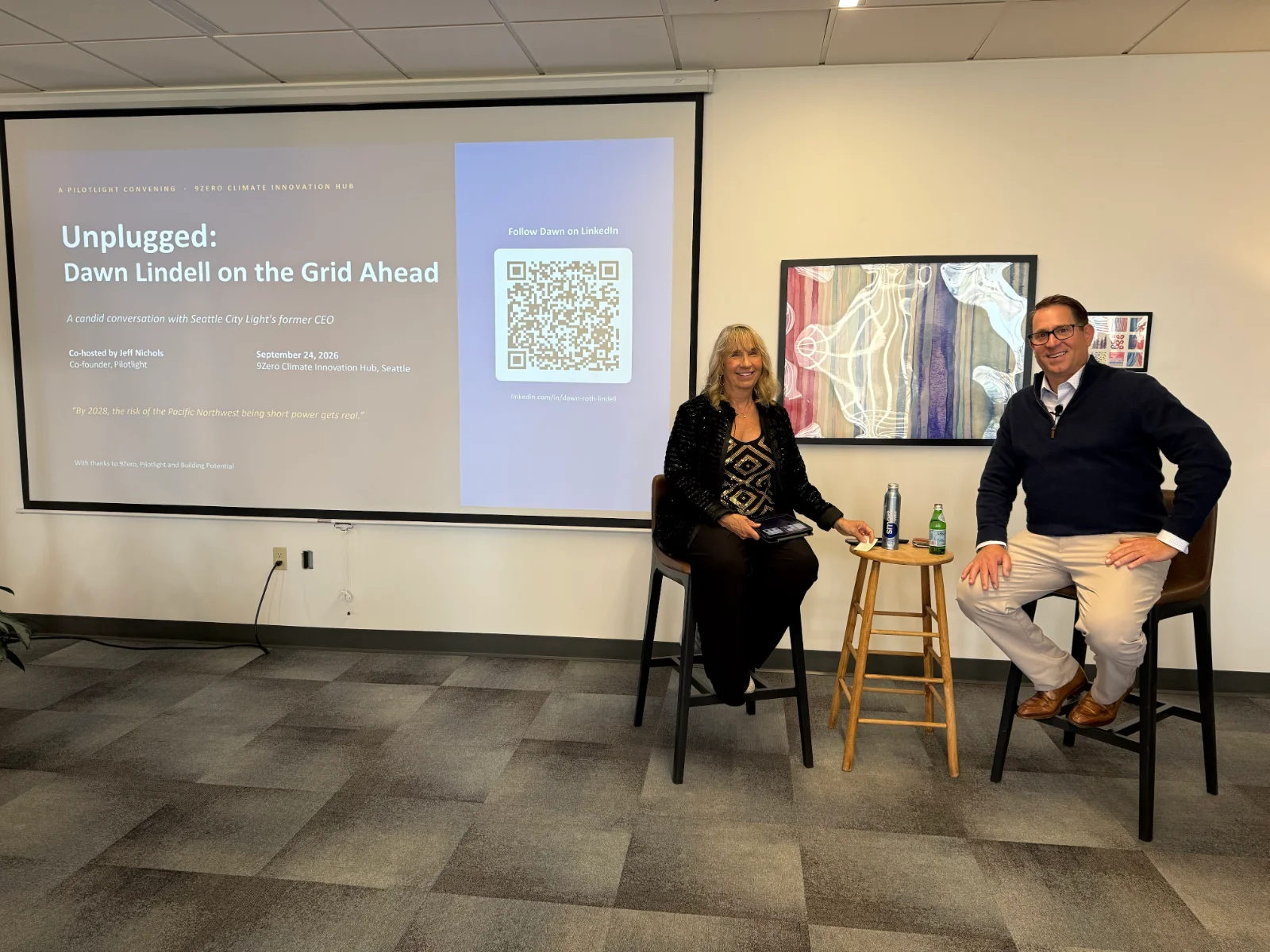
Unplugged with Dawn Lindell: The Grid Ahead Runs on People
Former Seattle City Light CEO Dawn Lindell joined me at the 9Zero Climate Innovation Hub for a candid conversation about the grid ahead. What stayed with me most had less to do with technology and more to do with people.
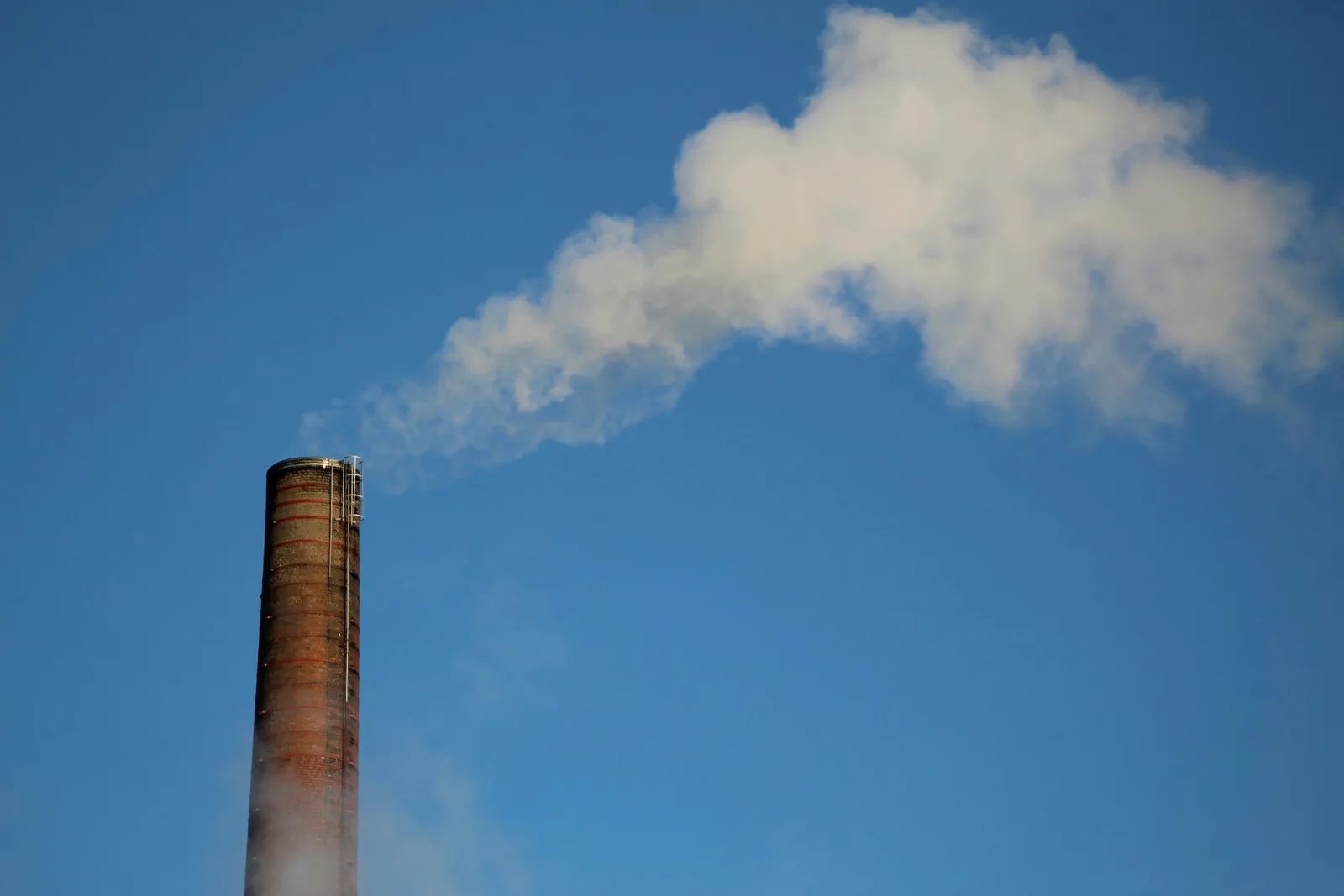
CBPS vs. Seattle BEPS: Efficiency vs. Decarbonization
CBPS asks how much energy you use. BEPS asks how much carbon that energy emits. Seattle's emissions factors, the two laws side by side, and how the deadlines stack for your building's size.
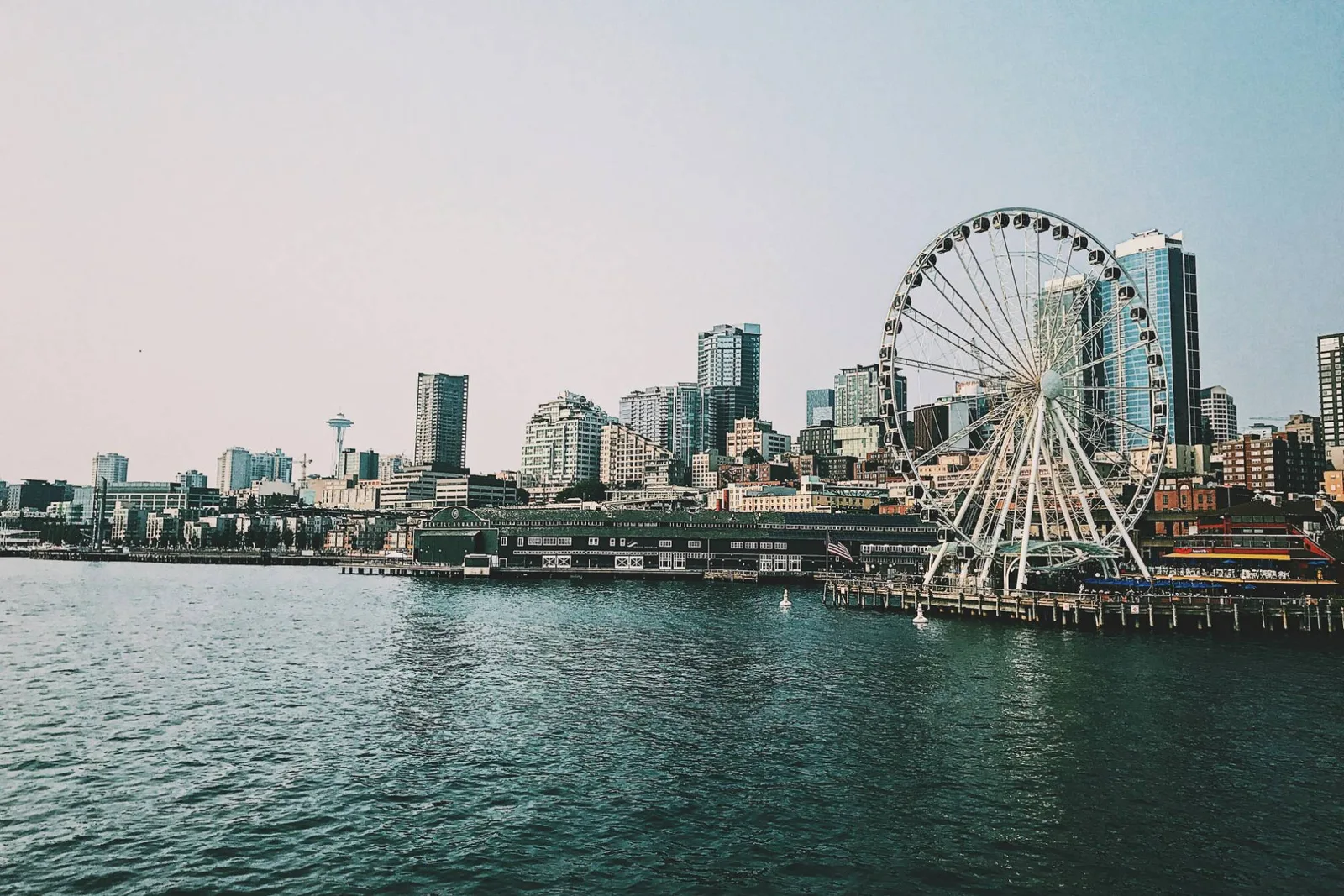
Why Does Seattle Have Its Own Standard?
If you own a building over 20,000 square feet in Seattle, you are covered by two laws, not one. Why the city wrote a second one, what BEPS adds on top of state compliance, and the exemption worth knowing about.
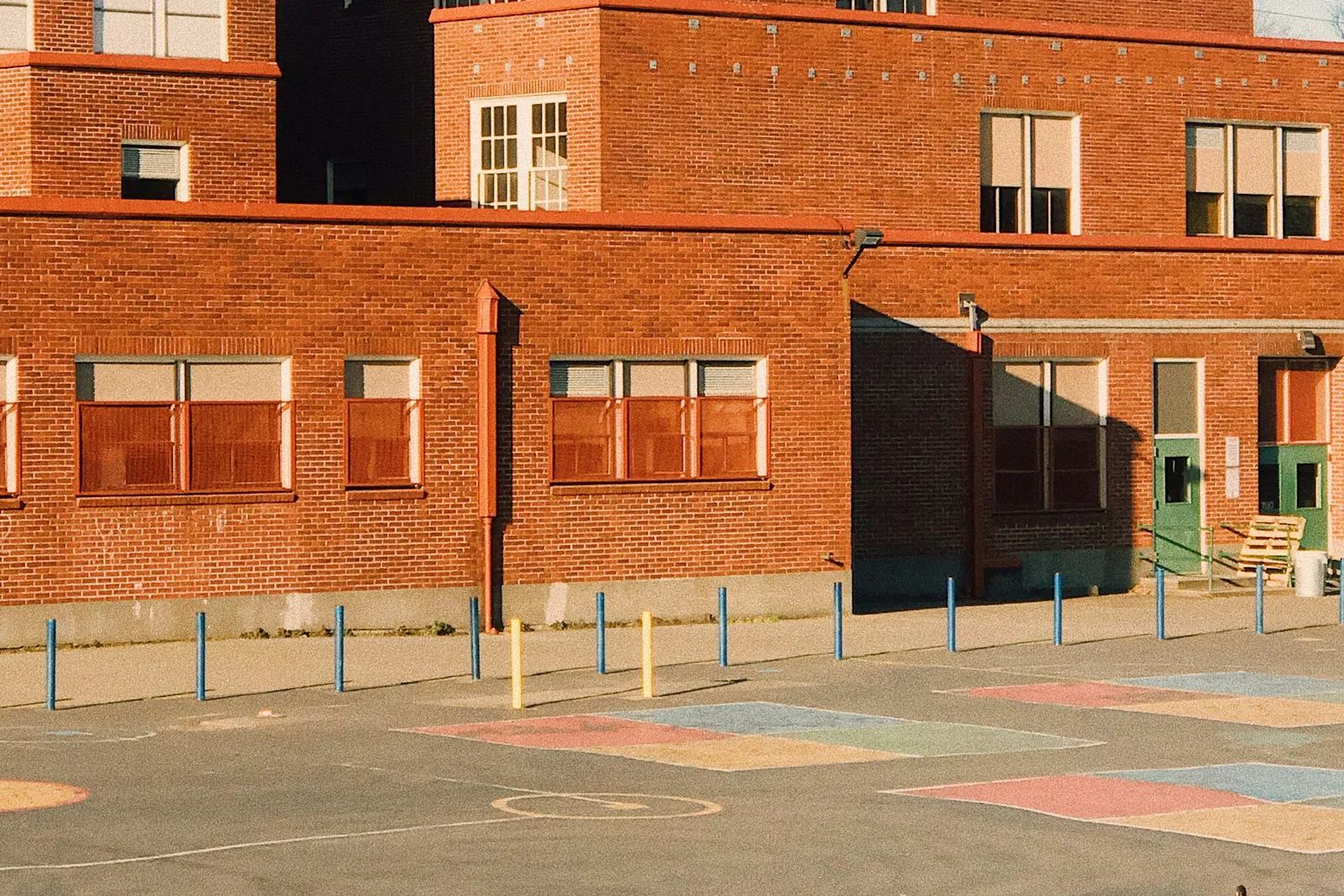
Washington's Clean Buildings Performance Standard, Explained
The whole law fits in one sentence: how much energy does your building use, how much should it, and what are you doing about the difference? Who Washington's CBPS covers, what it actually asks of Tier 2 owners, and the one date to write down.
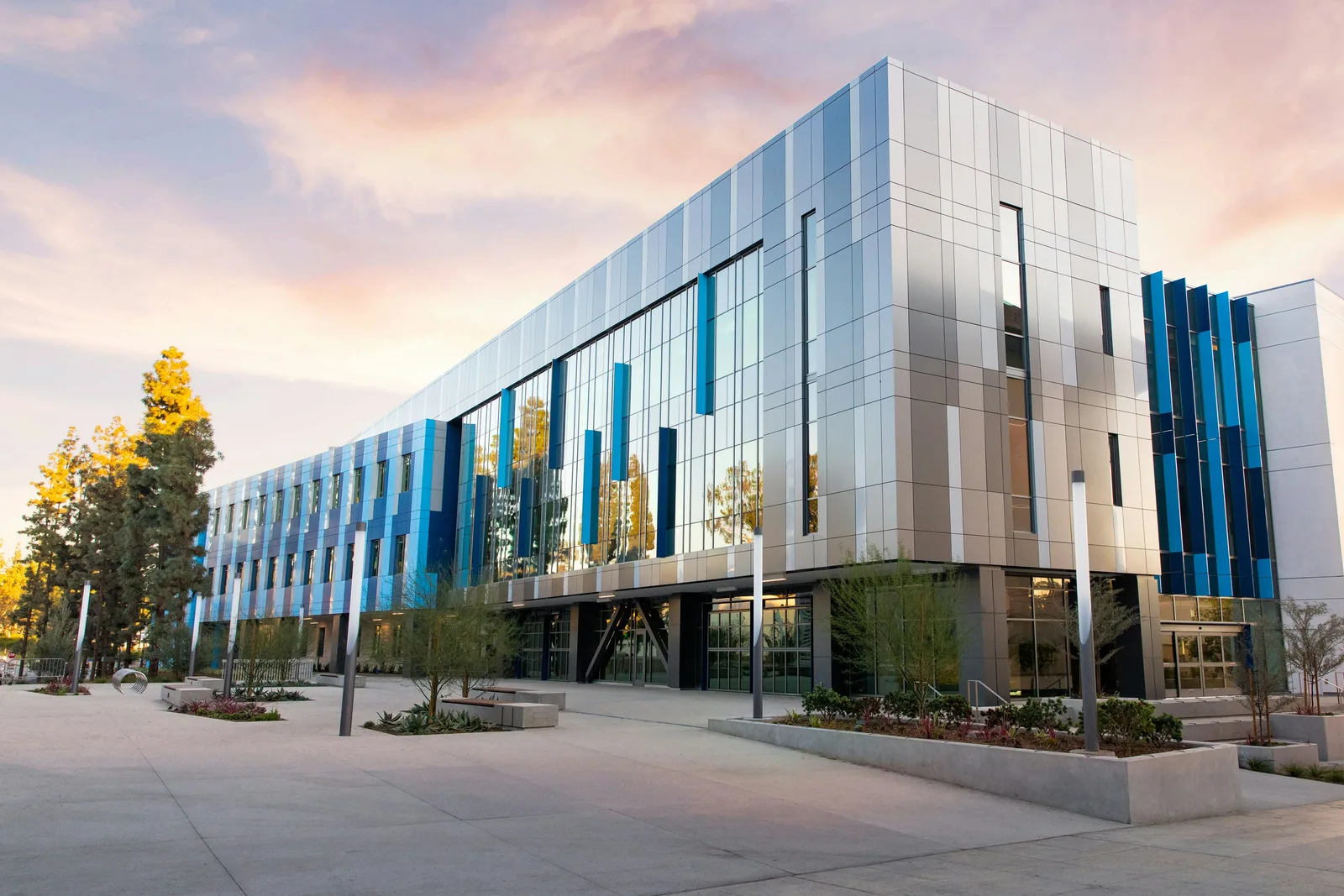
Welcome to BPS 101: What Is a Building Performance Standard?
A real Washington building owner asked whether we were there to clean the building. Lesson one of our Back to School series: what a building performance standard actually is, and why this kind of law exists.
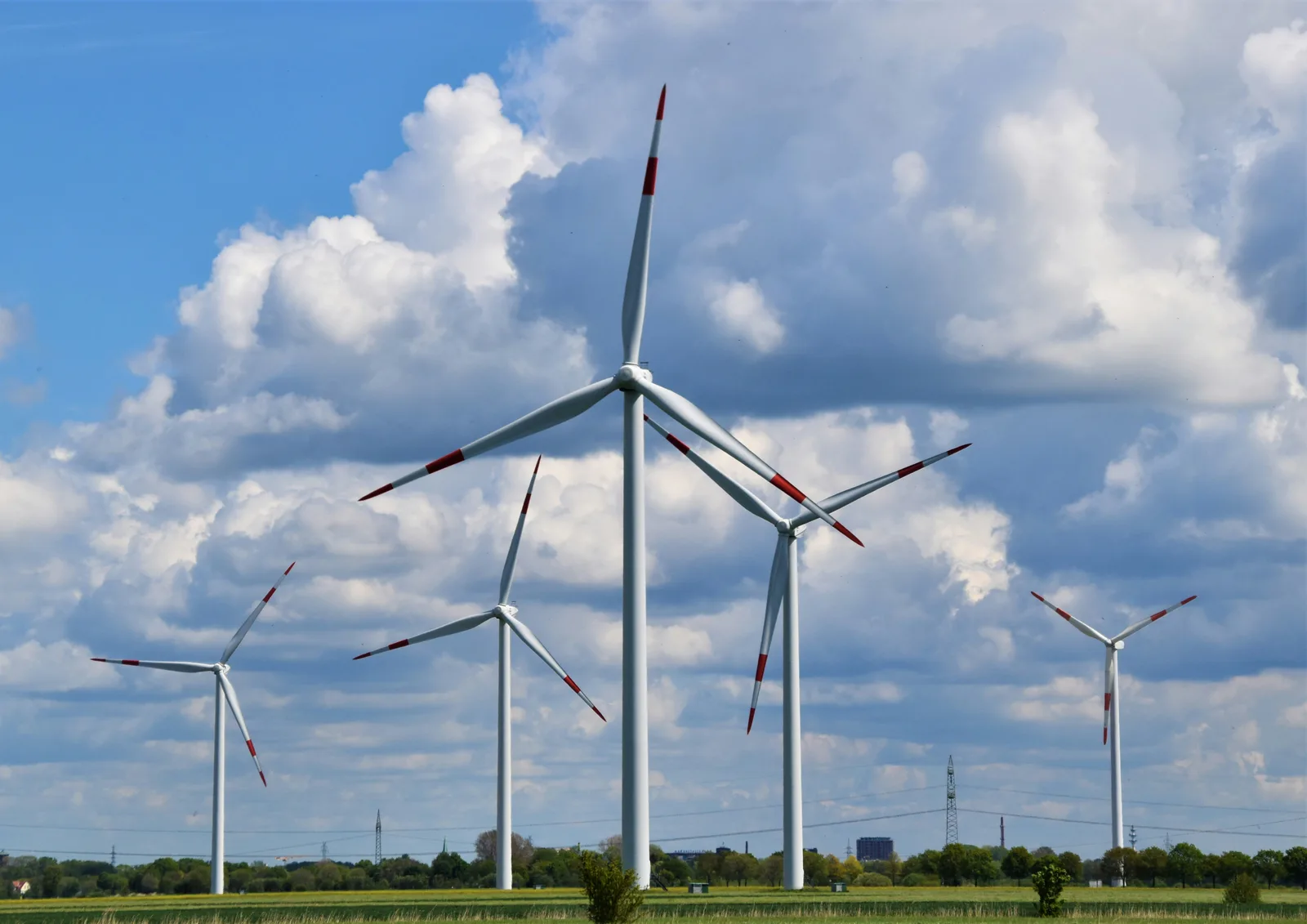
Washington Led the Nation on Clean Buildings. On Clean Power, We're Dead Last.
The first state to require its buildings to clean up is now 50th in adding new wind and solar. Here's why, and what it will take to change.
Washington Finally Has a Real Plan for Its Buildings
The SCALE 2030 Clean Buildings Roadmap turns the state's 2050 climate goals into six levers and sixteen concrete actions. Here's the whole thing, in plain language.